
Biographical Information:
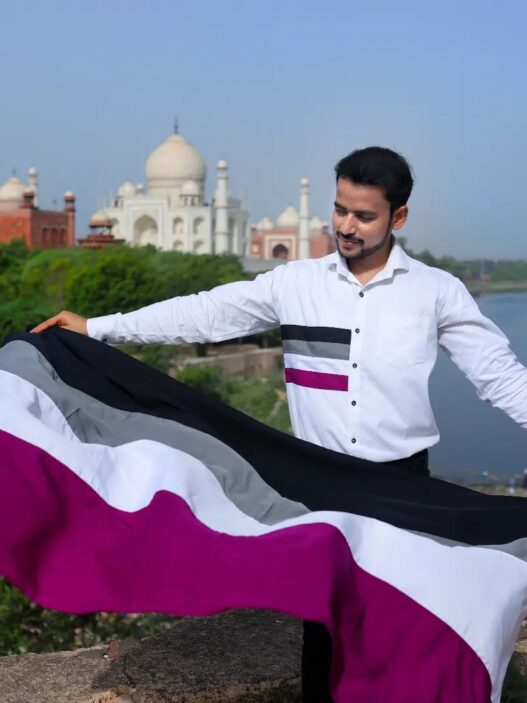
- Name: Shah-Jahan(pseudonym),
- Age: 21
- Place of Birth: Bangladesh
- Current Residence: Rajbari
- Languages Spoken: Bengali, English
ANOAQA Interviewer: Can you tell us about your childhood? What do you remember most vividly?
Shah-Jahan: The river, always the river. The Padma was wide, calm in some seasons, violent in others. I remember the call to prayer rising over the water, carrying through the alleys. It was like the whole town breathed together at dusk. My earliest memories are of standing near the banks, the smell of wet soil, and imagining that the horizon itself was alive.
ANOAQA Interviewer: When did you begin to understand yourself as different from those around you?
Shah-Jahan: From very young. I wore my mother’s saris before I even knew what that meant. The neighborhood children laughed, but I liked the way the fabric felt, the way it made me stand tall. Later, I understood: I am a woman. A trans woman. And though some people resisted that truth, my reflection never did.
ANOAQA Interviewer: You describe yourself as litho-romantic. Could you share what that means to you?
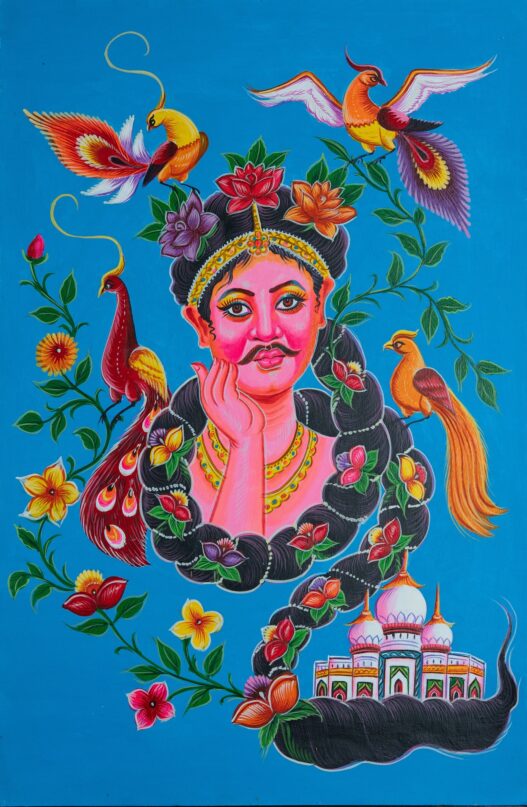
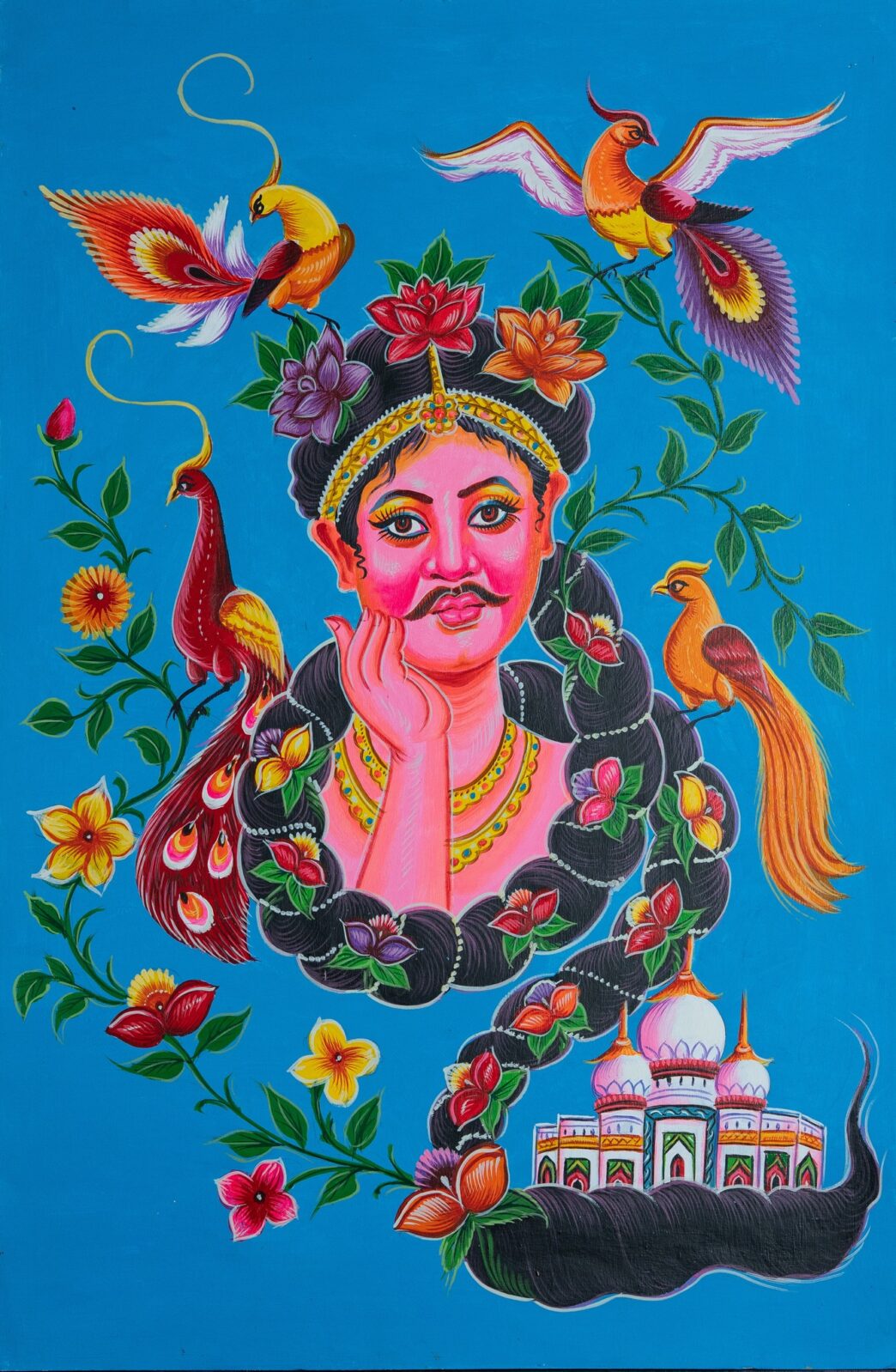
Shah-Jahan: It means I love without needing it returned. My heart is full of romances that live only in my imagination. I don’t want anyone to love me back. That would ruin it, in some way. My loves are one-sided, but they are vast. I build palaces inside myself—marble domes, gardens, verses. I am never without company, even if I walk alone.
Interviewer: Based on your personal experience, how is lithoromantic attraction different from the way most people experience and express romantic feelings?
Shah-Jahan: In my experience as a lithoromantic person, one of the biggest differences I notice between myself and many others is how I relate to reciprocation. Many people seem to strongly desire their feelings to be returned. I have often seen people trying to gain my attention, express their interest, and seek some form of reciprocation. At times, that desire for a response can become overwhelming or even uncomfortable.
For me, romantic attraction works very differently. I can develop deep feelings for someone and remain in love with them for years—I once had feelings for someone for nearly a decade—without ever feeling the need to pursue a relationship or seek reciprocation. Rather than trying to attract their attention, I usually keep my feelings private and hidden.
Part of this comes from the fact that the possibility of reciprocation can feel unsettling rather than exciting. If the other person were to return my feelings, it could change the dynamic in a way that makes me uncomfortable. The expectation or pressure of reciprocation can leave me feeling confused and can interfere with the natural way I interact with that person. As a result, I often prefer to experience my romantic feelings privately, without them being acted upon or returned.
For me, the value of romantic attraction lies in the feeling itself, not necessarily in having those feelings reciprocated or transformed into a relationship.
ANOAQA Interviewer: Do you remember the first time you fell in love like this?
Shah-Jahan: [laughs softly] Too many times. A poet in a book, a god in a story, a stranger whose face I never saw again. My friends ask, “Why don’t you date?” They don’t understand that my romances are already complete. They bloom in silence. To me, love is not about holding a hand in the market—it’s about holding an entire world in my imagination.
ANOAQA Interviewer: You also write poetry. How does writing connect with your solitude?
Shah-Jahan: Writing is how I tend to my garden of unspoken loves. Each poem is a garland for someone who never asked for it. I don’t share most of them. They are too fragile, like glass. But they give me peace. Sometimes I write as Mumtaz, waiting for Shah Jahan. Other times as Sita, in exile, listening for Rama. And sometimes, I am simply myself, dreaming of a poet from centuries ago.
ANOAQA Interviewer: Some people describe solitude as loneliness. How do you see it?
Shah-Jahan: Loneliness is emptiness. Solitude is fullness. My solitude is my kingdom. I am its eternal queen. [smiles] People think I am missing something. I know I am not.
ANOAQA Interviewer: What do you dream of for your future?
Shah-Jahan: To keep writing. To keep dreaming. To continue dressing in colors that remind me of the sky after rain. My Taj Mahal is already built—it lives inside me. I don’t need someone else to complete me. My life is already complete.