


Summary
Eshan was born in 2004 in Mohammadpur, Dhaka city, Bangladesh. Raised in a middle-class household, he spent much of his life negotiating cultural expectations with his own inner truth. At the time of the interview, Eshan was twenty-one years old and pursuing higher education while living at home.
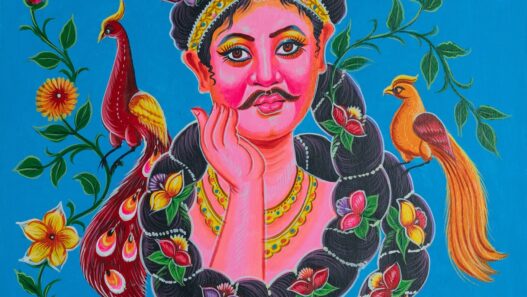
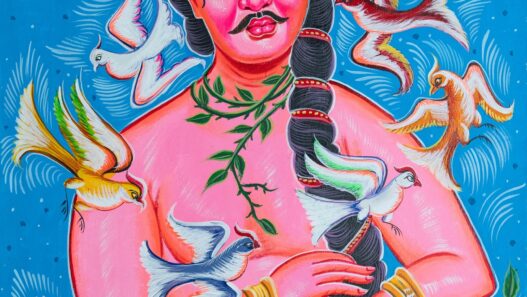
Eshan identifies as gay, though he emphasizes that his personal vision of love is not rooted primarily in sexuality. Rather, he longs for a form of intimacy characterized by patience, warmth, and the rhythms of everyday care. His reflections reveal both the challenges of navigating queer identity in Bangladesh and the resilience of holding onto a private dream of companionship rooted in gentleness.
Biographical Information:
- Name: Eshan (pseudonym),
- Age: 28
- Place of Birth: Bangladesh
- Current Residence: Mohammadpur
- Languages Spoken: Bengali, English
DIPA : Thank you for agreeing to speak with us today, Eshan. Could you start by telling us a little about where you grew up?
ESHAN: I was born and raised in Birulia, which is on the edge of Dhaka city. It’s a busy place, but also full of little corners of quiet—the riverbanks, the narrow roads where you can hear birds if the traffic hasn’t yet started. I grew up in a fairly traditional household, surrounded by family expectations.
DIPA: And how would you describe your childhood?
ESHAN: My childhood was ordinary in many ways—school, cousins, festivals. But inside, I always carried a kind of secret. I knew early on that I was different, that the way I felt love or imagined companionship was not quite what others expected. I was gay, yes, but even more than that, I dreamed of a kind of love that wasn’t about urgency or passion of the body.
DIPA : Could you explain what you mean by that dream?
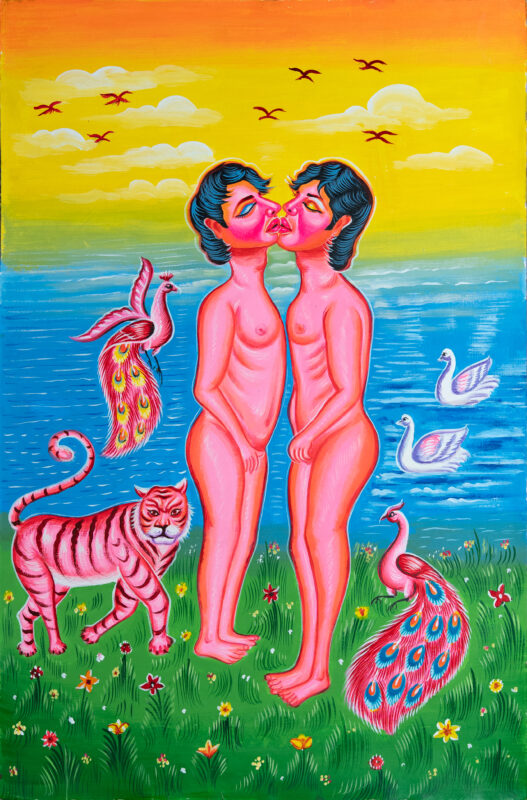
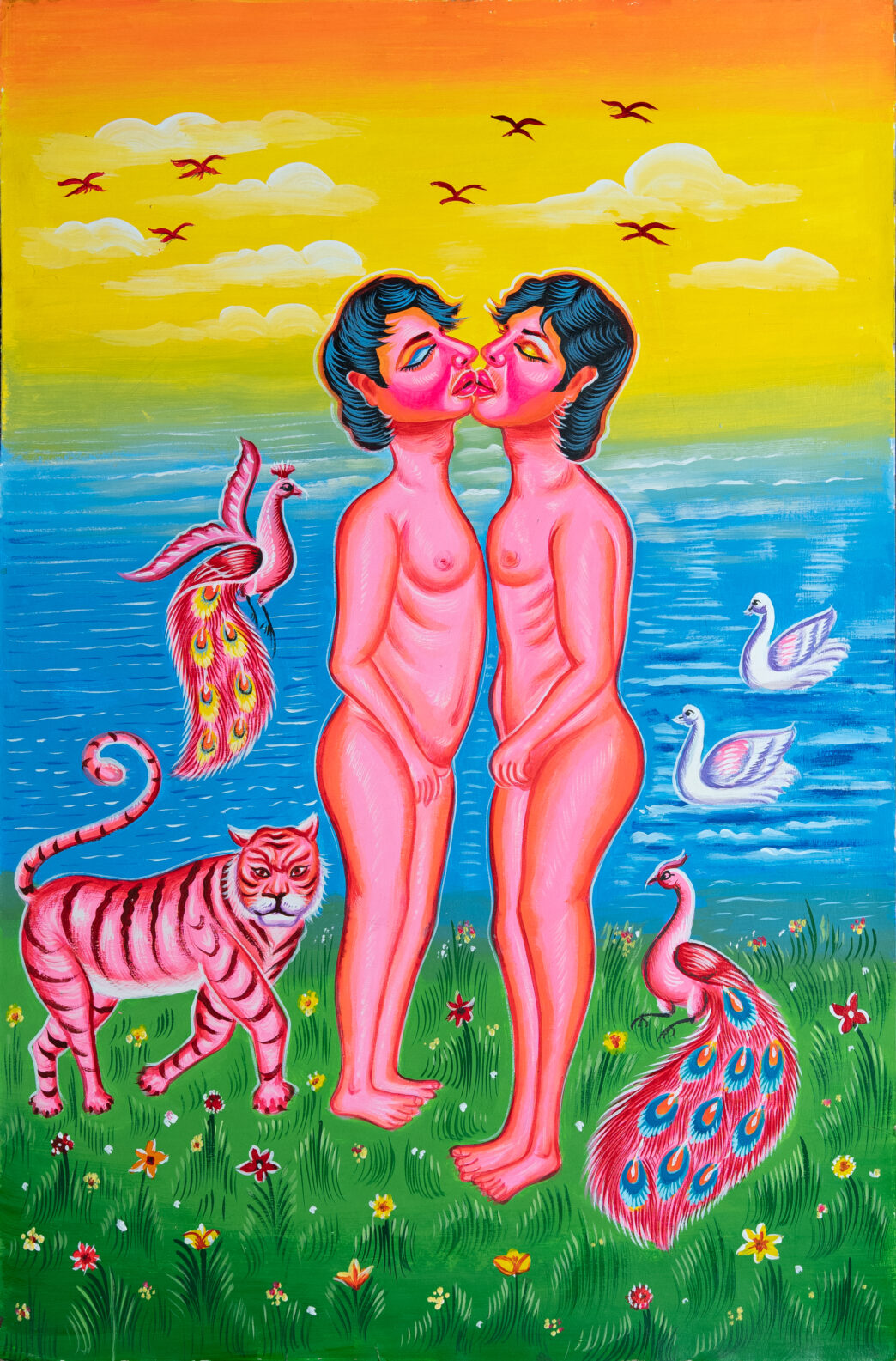
ESHAN: In my dream, there’s someone—a man—who enters my life gently, with warmth and patience. We would build our love on trust, on laughter, on kindness. Not just sex, but the rituals of care: sharing meals, holding each other quietly, listening late at night. I imagine us sleeping chest to chest, waking with the morning light. Even a simple kiss would be enough, not as a step toward something else, but as an expression of being.
DIPA: That sounds very tender. Do you feel you’ve been able to find that kind of connection in your life so far?
ESHAN: Honestly, no. The world feels too fast, too hungry. Many of the men I meet can’t imagine intimacy without sex at the center. Sometimes I wonder if my dream is too idealistic, if I’m searching for something that doesn’t exist. But I don’t let go of it. I believe someone else out there must be searching too.
DIPA : How do you hold on to that hope?
ESHAN: At night, when I close my eyes, I live inside that dream. I picture his arms around me, without expectation. I remind myself that tenderness is sacred, and that even in a hyper-sexual world, love can take many forms. Waiting, searching quietly—it’s not easy, but it’s faithful.
DIPA: What does this dream mean to you, as a young queer man in Bangladesh?
ESHAN: It means survival. It means creating a space inside myself where love is possible, even if society tells me otherwise. It’s like a soft rebellion against the noise and pressure. I may not have found him yet, but carrying this vision already makes me feel less alone.