Dark Mode Light Mode

Keep Up to Date with the Most Important News

By pressing the Subscribe button, you confirm that you have read and are agreeing to our Privacy Policy and Terms of Use
ANOAQA: The world's first initiative dedicated to publishing Asexual and Aromantic literature, challenging the hypersexual lens of socio-cultural norms.

Case Study Documentation: Neyoti

Summary
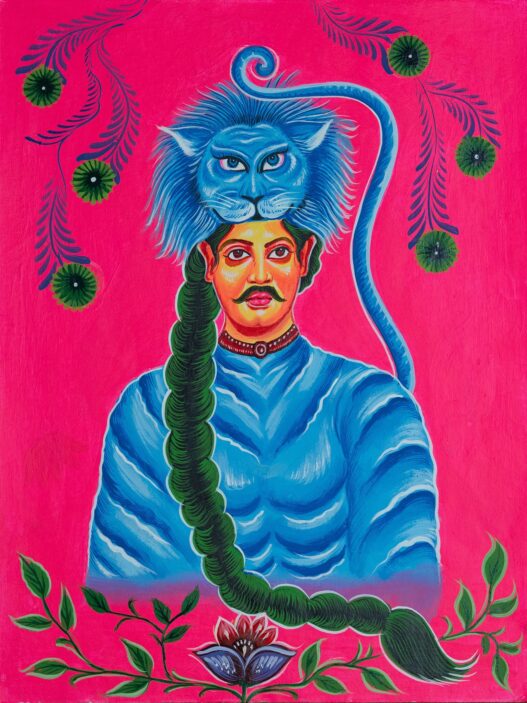
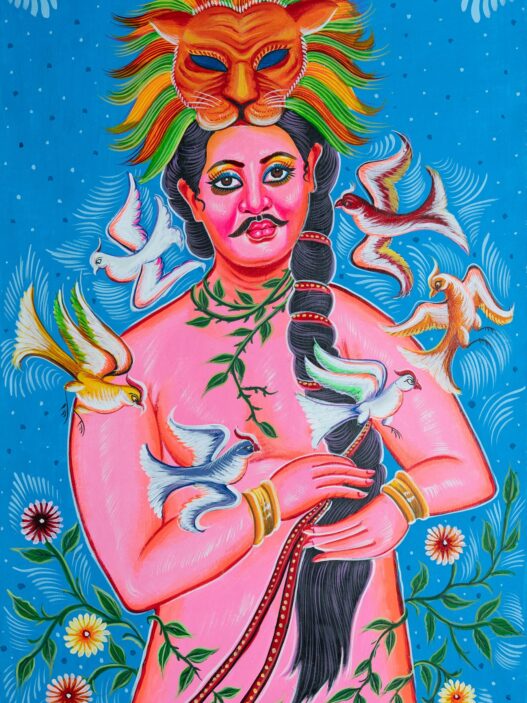
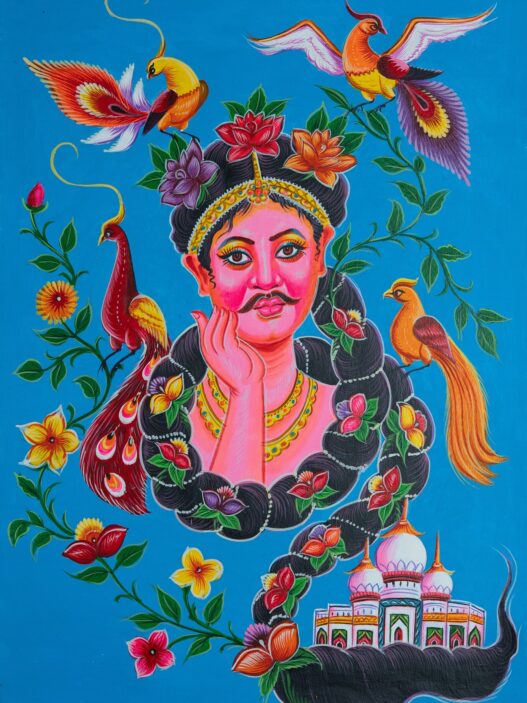
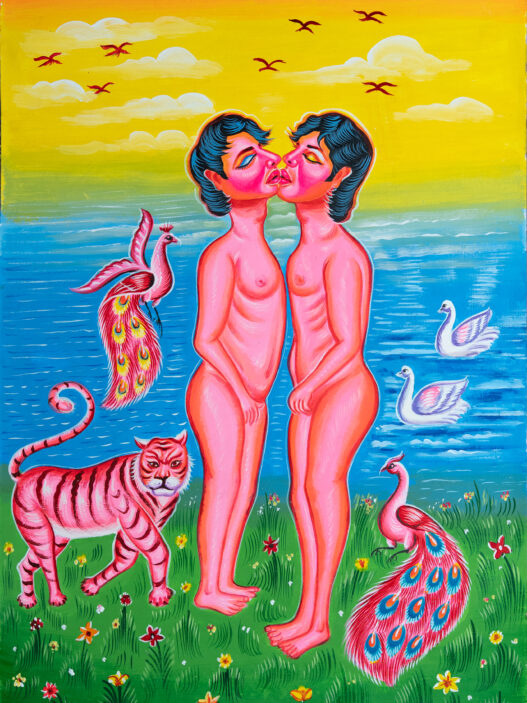
This documents the lived experiences of Neyoti, assigned female at birth, who later came to identify as male. Born the third child in a family that had anticipated a son after two daughters, he was named “Neyoti,” meaning “Matter of Luck.” The name, given under circumstances of disappointment, shaped much of his early self-understanding. Neyoti recalls a childhood marked both by neglect and by unusual freedoms—permitted to engage in activities typically discouraged for girls in his community. As he entered adolescence, however, familial expectations shifted toward preparing him for marriage, intensifying his experience of gendered distress. This interview traces the arc from those early negotiations of identity through to his pursuit of self-determination.

Biographical Information:

  • Name: Neyoti ,
  • Age: 21
  • Place of Birth: born and raised in Birulia, Dhaka
  • Current Residence: Mirpur
  • Languages Spoken: Bengali

Yasmin: To begin, can you tell us about your name and its meaning within your family?

Neyoti: (soft laugh) My parents named me Neyoti—it means “Matter of Luck.” But it wasn’t meant as a blessing. It carried a tone of resignation. After two daughters, they expected a son. Instead, they got me—and my name became a reminder of that disappointment, like a small echo of disapproval in the house.

From the start, I carried that weight. Compared with my siblings, I was often neglected. At the same time, though, I was allowed to do things girls usually weren’t—climb walls, play football with boys. People sometimes thought I was a boy, and my parents never corrected them.

Yasmin: How did that disappointment shape your treatment compared with your sisters?

Neyoti: My sisters were dressed up, taught to be pretty and quiet. They were the ones to be shown off. I was different—left invisible. Not kindly invisible, but neglected. They didn’t fuss over me. So I ran through the lanes, wore shorts, scraped my knees. It was freedom, yes, but freedom through neglect, not love.

Yasmin: Did you experience that as liberating?

Neyoti: At first. No one was telling me to sit a certain way or wear certain things. But it was also because they had already given up on me being what they wanted. Freedom felt like abandonment, not permission.

Yasmin: What shifted when your sisters began marrying?

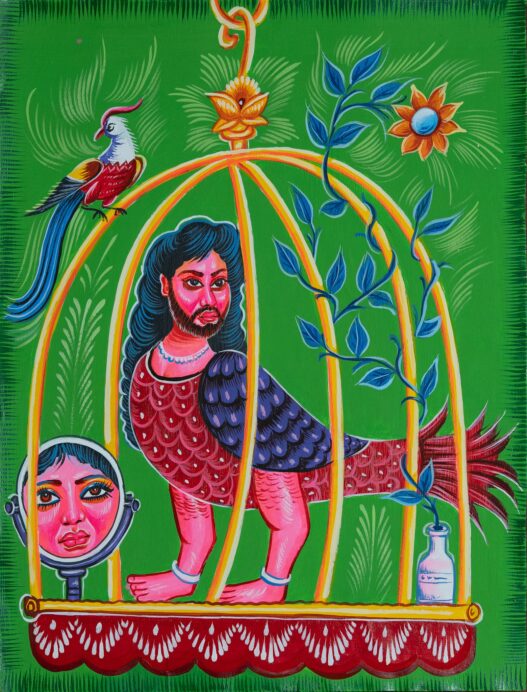
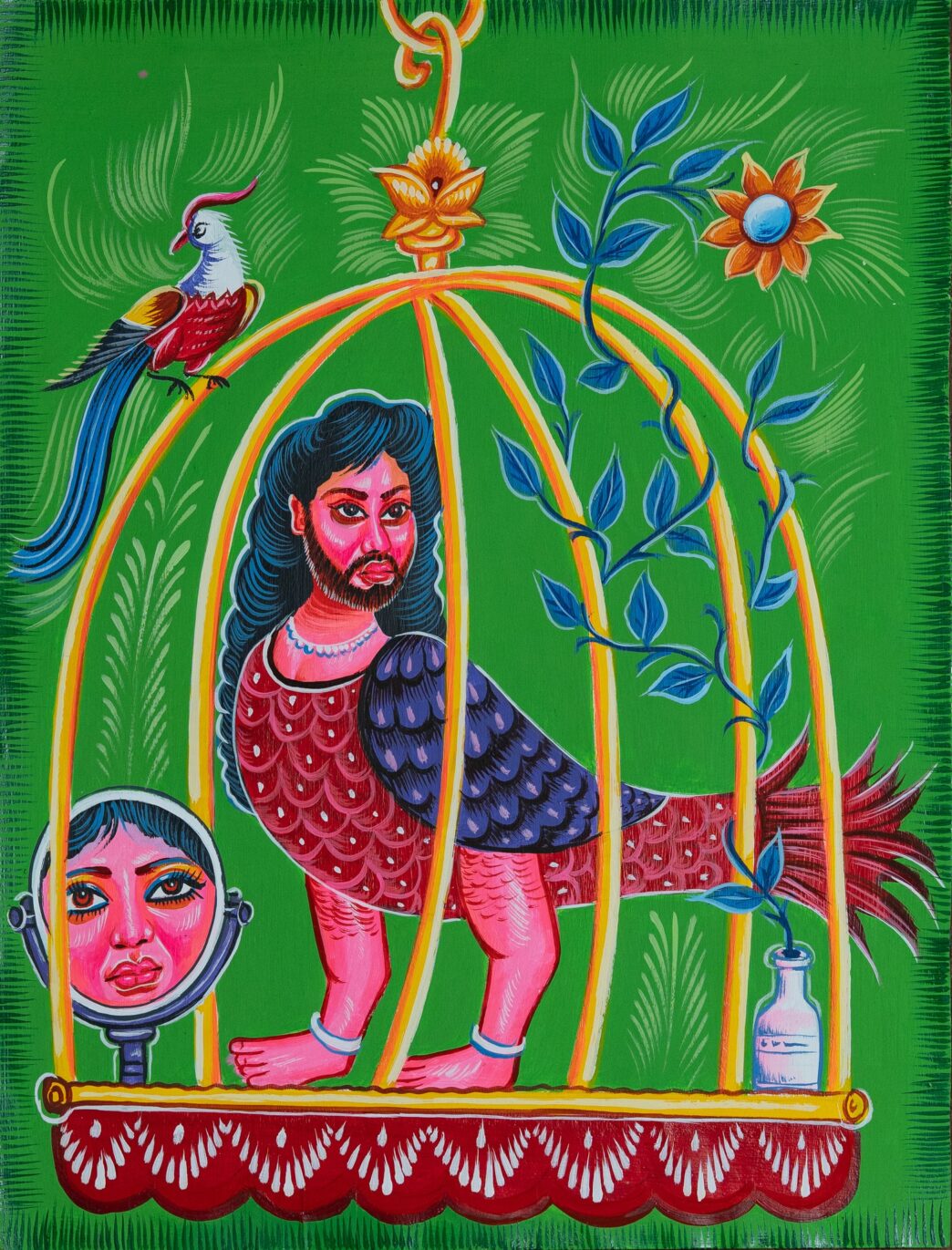
Neyoti: That’s when everything turned. My sisters were married off, and then attention came to me—the last one. Suddenly, I mattered again, but only as someone to be “fixed.” My parents began preparing me for marriage. I was taught to drape a saree, to fold my hands properly, to sit “like a girl.” They pressed bangles onto my wrists. It felt like being caged.

Yasmin: When did you begin to realize this was more than discomfort?

Neyoti: I had always carried a quiet feeling that something was wrong with my body for me—a hum in the background. When marriage preparations started, the hum became a roar. I felt suffocated, like my skin was a costume made for someone else. I didn’t know the word “gender dysphoria” then, but that was the feeling. I am not this.

Yasmin: Did you ever try to share that with your parents?

Neyoti: No. Not directly. They had already decided who I was. And I didn’t have the words. My rebellions were small—cutting my hair short, walking with swagger, playing football with boys. Sometimes neighbors would ask, “Isn’t he a boy?” and my parents didn’t bother correcting them. It was both comforting and dangerous.

Yasmin: When did you know you needed to leave?

Neyoti: When talk of marriage grew serious—measurements, discussions of who might “take me away.” That night, I couldn’t sleep. I wanted to tear off the saree and run. It wasn’t just about marriage. It was about survival. I began to imagine a life where I could breathe.

Yasmin: Did you have a plan for that future?

Neyoti: More dreams than plans. A life where I could wear trousers without explanation. Where my name wouldn’t feel like a joke. Of course, there was fear. But staying felt like slow death. I needed an exit.

Yasmin: Looking back, what do you want others to understand from your story?

Neyoti: That this wasn’t sudden. It was shaped by everyday moments that told me who I was supposed to be, and then the same world pushed back. Leaving wasn’t rebellion—it was survival. And names—names can hurt. They carry the weight of others’ hopes. But a name doesn’t decide who you become.

Yasmin: Are there memories from that time you want to add?

Neyoti: At night, I sometimes thought: if they had celebrated me differently, maybe things would be different. But the scars on my knees, on my heart—they made me stronger. I found joy in small things—cricket in the lane, a laugh with friends, the walk home at sunset. Those moments kept me human.

Yasmin: Thank you. Finally—where do you see yourself now? What does the future look like?

Neyoti: I see air. A small life that is mine, not stitched from other people’s expectations. I don’t have all the answers, but I want to live as myself, called by what I feel. That is enough.

Keep Up to Date with the Most Important News

By pressing the Subscribe button, you confirm that you have read and are agreeing to our Privacy Policy and Terms of Use
Add a comment Add a comment

Leave a Reply

Your email address will not be published. Required fields are marked *

Previous Post

Case Study Documentation: Sourav Chowdhury

Next Post

Case Study Documentation: Ayman