
Dark Mode Light Mode

Keep Up to Date with the Most Important News

By pressing the Subscribe button, you confirm that you have read and are agreeing to our Privacy Policy and Terms of Use
ANOAQA: The world's first initiative dedicated to publishing Asexual and Aromantic literature, challenging the hypersexual lens of socio-cultural norms.

Case Study Documentation: Sami and Nabila

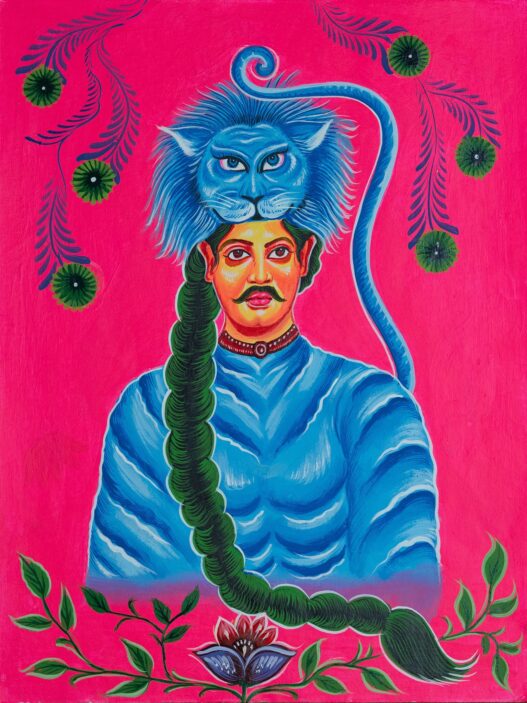
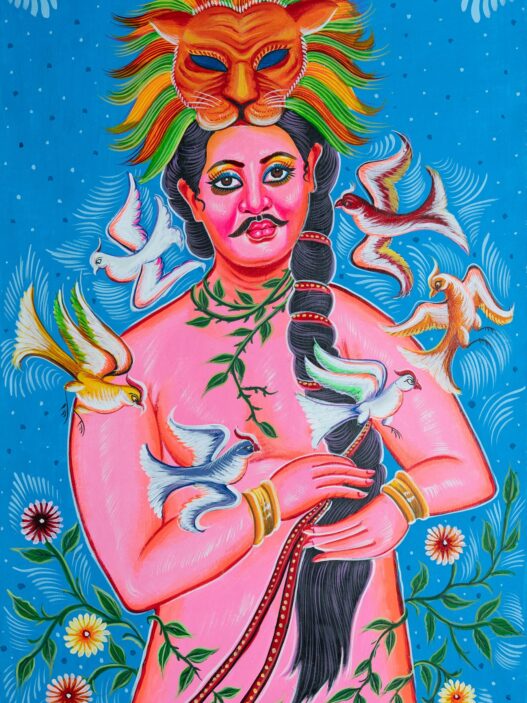
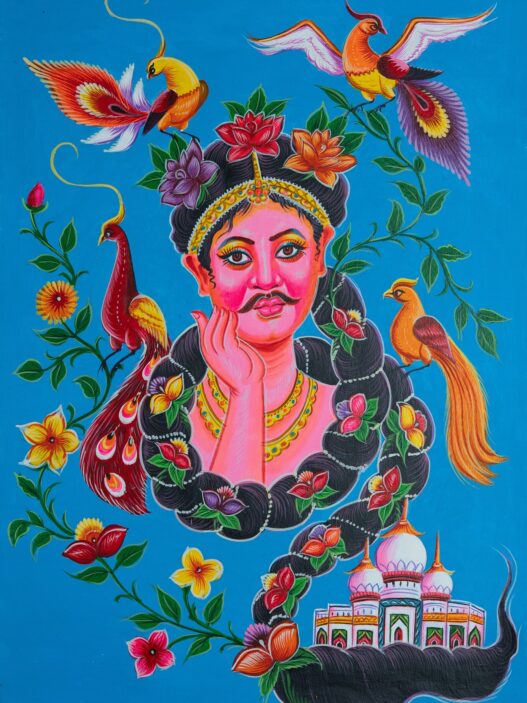
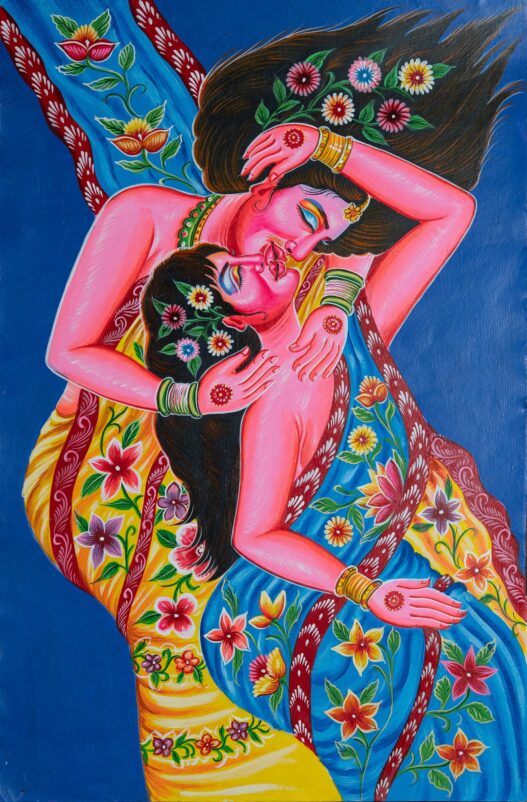
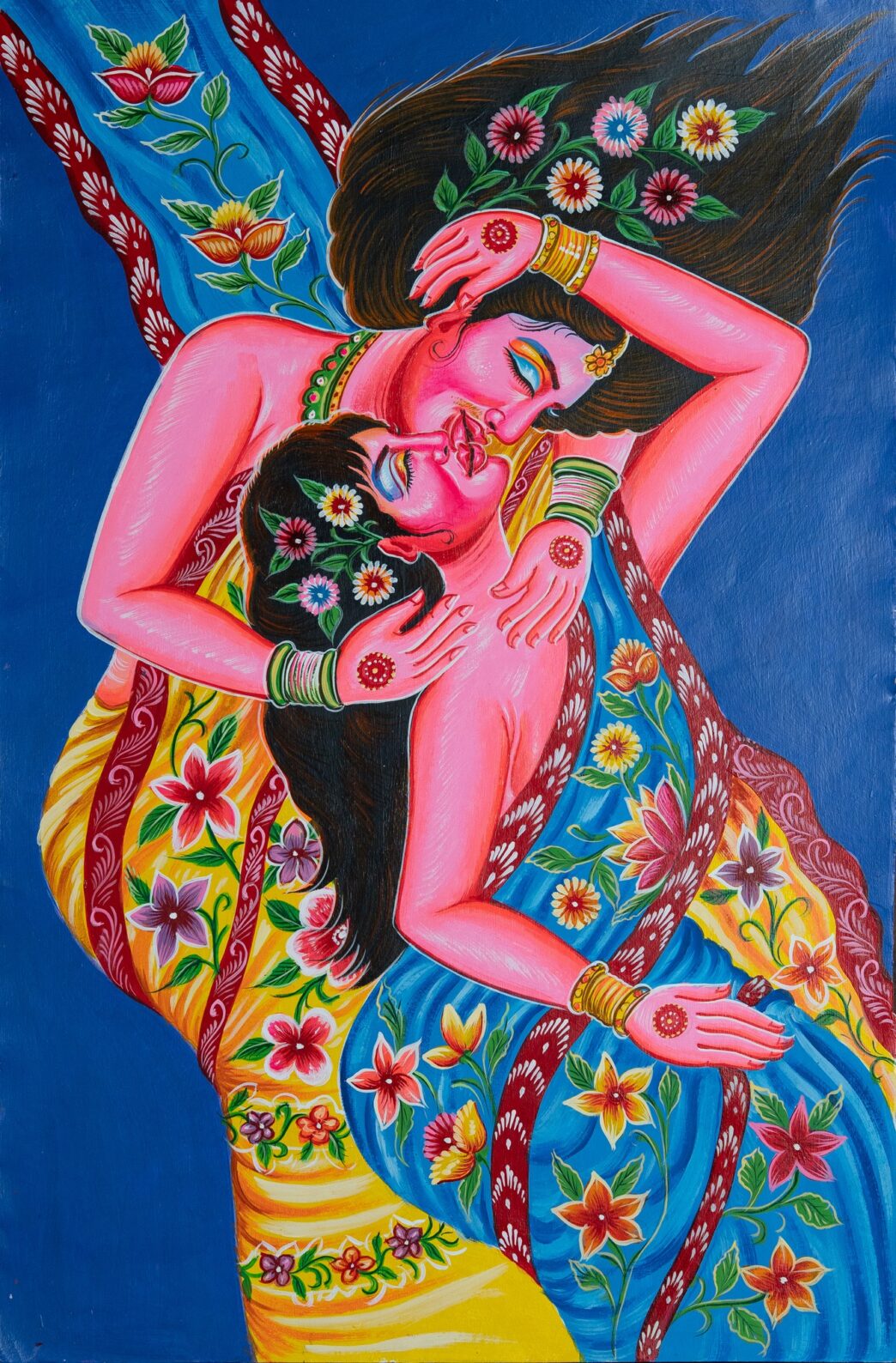
This record traces the intertwined lives of Sami and Nabila, two women raised in conservative Muslim households in Old Dhaka during the late twentieth and early twenty-first centuries. Their experiences reveal how gender, sexuality, religion, and class intersect in Bangladesh, and how queer women navigate forms of intimacy that remain both hidden and precarious, where visibility often entails risk. Together, these accounts offer a portrait of survival, resistance, and companionship lived at the margins of social recognition


Biographical Information:

  • Name: SAMI AND NABILA (pseudonym),
  • Age: 
  • Place of Birth: Old Dhaka
  • Current Residence: Mirpur
  • Languages Spoken: Bengali, Hindi

DIPA MAHBUBA YASMIN:  Sami, can you tell us about your childhood and the expectations placed on you as a girl?
Sami: I grew up in a two-room flat in Old Dhaka. The air was always heavy—with turmeric, with cardamom, with my mother’s voice reminding me of my future. “One day you will marry. One day you will serve your husband.” That was the map of my life, laid out before I had a chance to imagine anything else.

DIPA MAHBUBA YASMIN: Nabila, did you experience similar pressures at home?
Nabila: Yes, very much so. In our home it was simple: a girl was worth only as much as her obedience. I was taught to lower my eyes when men passed, to keep my hair covered, to show respect through silence. My skill in the kitchen was considered my greatest achievement. But I always felt there had to be another way to be a woman.

DIPA MAHBUBA YASMIN: How did the two of you first meet?
Sami: It was accidental—we sat next to each other in a lecture hall. First it was about notes, then about walking home. Slowly, we began to realize that what we had was something neither of us had words for.

Nabila: We didn’t have the language—there is no real word in Bangla for what we felt. But we knew it was love, even if our world told us it was forbidden.

DIPA MAHBUBA YASMIN:  What was life like for you after university?
Sami: Employment gave us financial independence, and with that came a kind of safety. In our country, so many women depend on their fathers, brothers, husbands. But our salaries bought us a room in the hostel. It was small, but it was ours.

Nabila: We never needed to show affection in public—that would have been dangerous. Instead, we built a life in quiet ways: tea shared late at night, walking together, celebrating birthdays with one candle between us. It was companionship more than anything. A kind of trust that didn’t need to be explained.

DIPA MAHBUBA YASMIN:  Did you feel safe living together?
Nabila: Not completely. We read the newspapers—stories of women like us being found out. Some forced into marriages, others sent away, some punished. Each story felt like a warning. We whispered at night: what if one day it is us?

Sami: We had no power, no legal knowledge, no protection. We were just two ordinary women, trying to live quietly. Survival was the only politics we had.

DIPA MAHBUBA YASMIN:  How do you make sense of your relationship in such a difficult environment?
Sami: We knew our love was not loud—it wasn’t written into law, it wasn’t blessed by religion. It was a hidden flame. But we also knew it was ours. That we had created a world where we could be together, even if only in silence.

Nabila: In a land where women like us are not supposed to exist, the fact that we were still here—still together—that was enough. Survival became our defiance.

DIPA MAHBUBA YASMIN: Looking back, what do you think your story says about love and resistance?
Sami & Nabila: Our story shows that intimacy can survive through discretion, silence, and everyday acts of care. We may not have fought publicly, but our survival itself was resistance. In a place where survival is rebellion, our love became both refuge and quiet defiance.

Keep Up to Date with the Most Important News

By pressing the Subscribe button, you confirm that you have read and are agreeing to our Privacy Policy and Terms of Use
Add a comment Add a comment

Leave a Reply

Your email address will not be published. Required fields are marked *

Previous Post

Case Study Documentation: Rubina

Next Post

Case Study Documentation: Jannatun Jahan Shifa