


Summary
Ayman’s story—an intimate journey through masculinity, family, and identity in urban Bangladesh. From patriarchal pressures to self-acceptance, his reflections reveal how cultural metaphors like the “পুরুষ সিংহ” shape manhood gaze, relationships, and resilience.
Biographical Information:
- Name: Ayman(pseudonym),
- Age: 26
- Place of Birth: Rampura, Dhaka City, Bangladesh
- Current Residence: Mirpur
- Languages Spoken: Bengali, English
ANOAQA Interviewer: Could you begin by telling me a little about where you were born and raised?
Ayman: I was born in Rampura, right in Dhaka City. It’s crowded, noisy—you hear rickshaw wheels all day, and the smell of tea stalls is everywhere. That’s the background of my childhood.
ANOAQA Interviewer: What was your home life like?
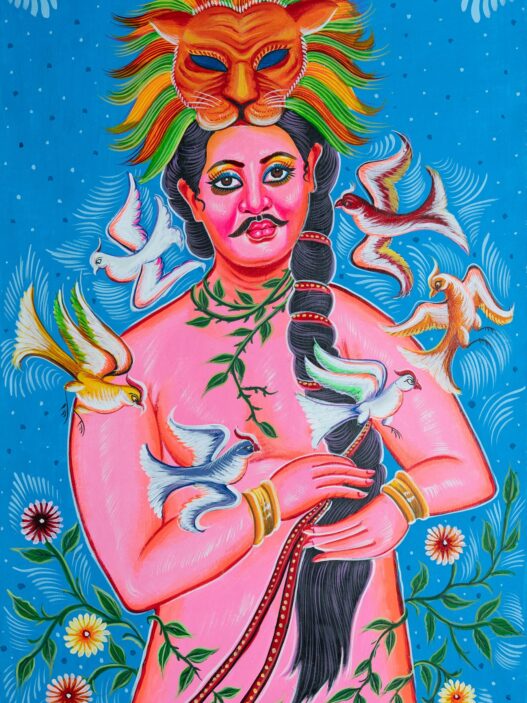
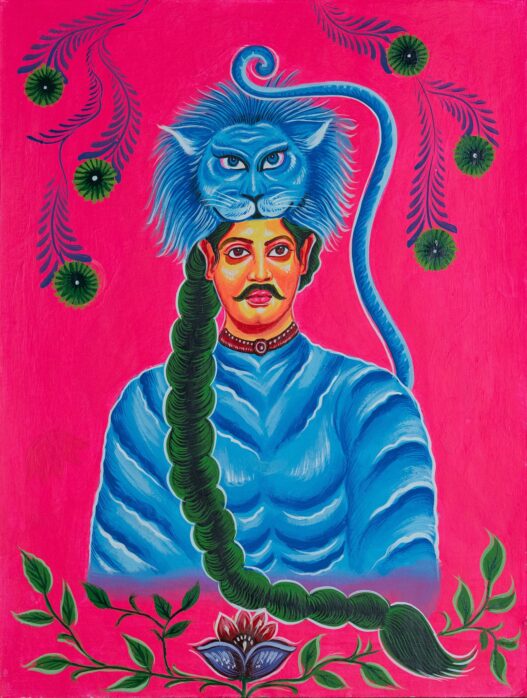
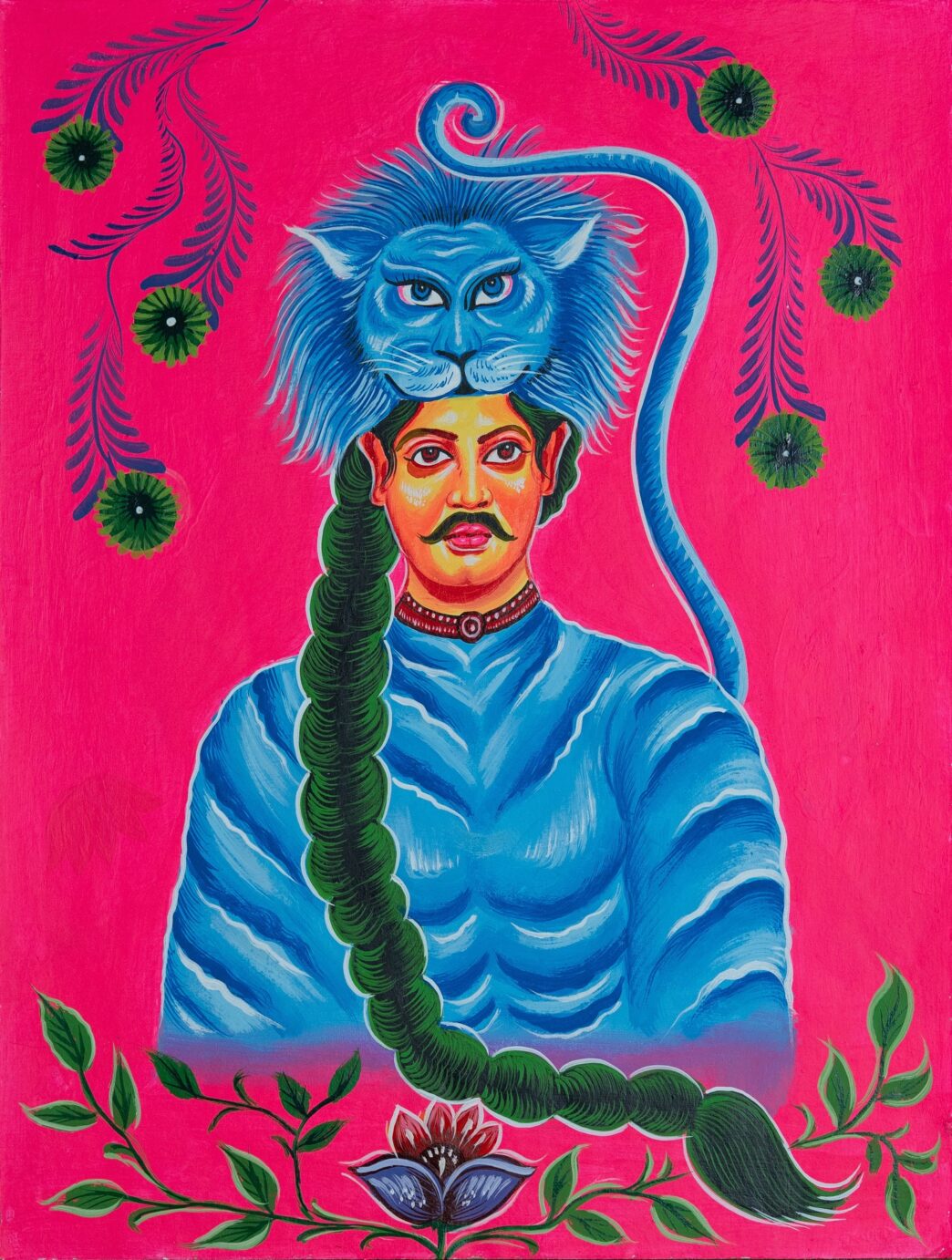
Ayman: My father’s voice filled the house. Loud, commanding. He was the kind of man who thought authority meant shouting. My mother—she bent under it. She accepted insults as if they were normal. I grew up seeing her silence. And I grew up hearing him say this one line, always: “পুরুষ সিংহ”—a man should be a wild lion.
ANOAQA Interviewer: Did that phrase stay with you?
Ayman: It was hammered into me. He said it if I cried. Teachers repeated it if I hesitated in sports. Even uncles and neighbors mocked me with it if I laughed too softly. It taught me that softness was shameful.
ANOAQA Interviewer: How did you respond to that pressure?
Ayman: I buried whatever gentleness I had. I forced my voice to sound rough, like gravel. I stomped when I walked. I picked fights, I insulted softness in others. My friends called me the wild lion. They believed the act.
ANOAQA Interviewer: And privately?
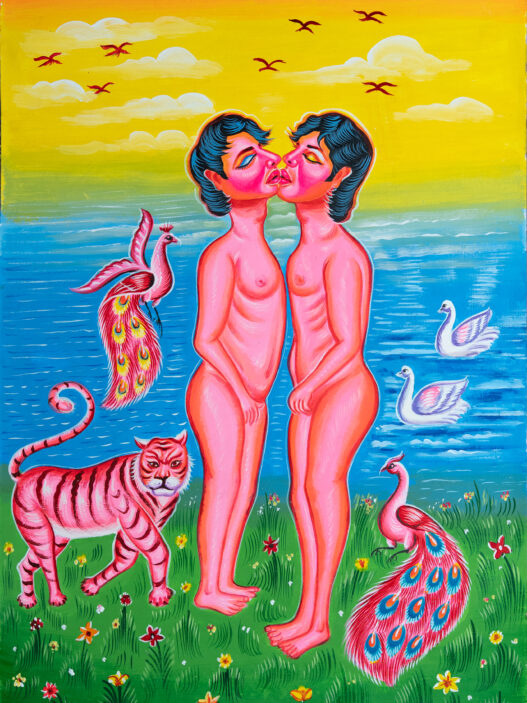
Ayman: Privately, I was different. My heart beat fast if a boy smiled at me. If hands brushed by accident, it meant something to me. But I told myself it was madness, something I had to kill inside me. At night, I cried when no one could see. Depression came slowly, but it stayed.
ANOAQA Interviewer: Did you have any place to express what you were feeling inside?
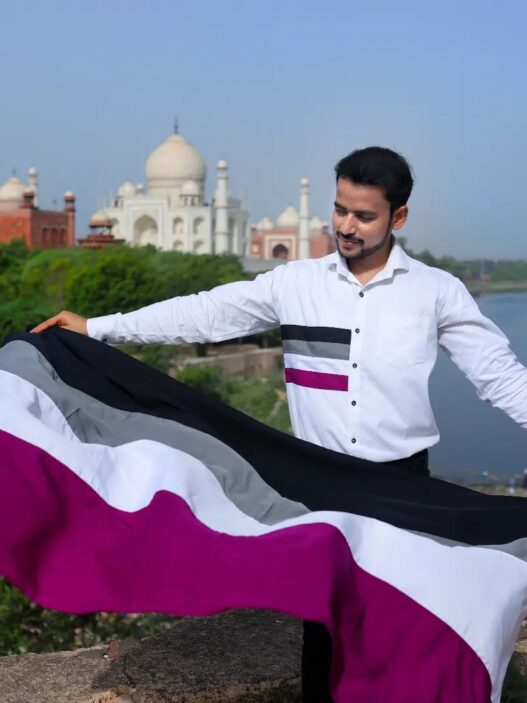
Ayman: No. Inside, I carried a secret. I am homo romantic-demi sexual and like being top to be honest. At twenty-one, I created a profile on a dating app. I didn’t use my real picture. People sent messages— “TOP OR BOTTOM?” “HOW MASCULINE ARE YOU?” They never asked about my favorite book. They never asked about the heaviness in my chest or the loneliness in my throat. They wanted the lion, not me.
So I pretended harder. My laughter got louder, my face harder. If a softness slipped out—a hand gesture, a tone—I killed it immediately. I thought love was forbidden, a delusion. Better to roar. But roaring every day made me hollow.
ANOAQA Interviewer: At what point did you decide to seek help?
Ayman: Panic. One afternoon, my chest felt like it was on fire. I walked into a psychologist’s chamber in Baridhara. I told him I didn’t believe in therapy. I barked, resisted. But session by session, something softened.
One day, I whispered: “When I was young, I wanted to hold another boy’s hand. But I thought it was wrong. So I buried it.”
He didn’t gasp. He just asked, “And how did that feel back then?” For the first time in years, I spoke not as the lion but as the boy , as a human.
ANOAQA Interviewer: Do you remember a turning point in those sessions?
Ayman: Yes. One day, the psychologist asked, “Ayman, what do you fear will happen if you show your heart?” That broke me. I cried in front of him, for the first time in years. I told him everything—that I felt warmth toward men, that I wanted to be soft, not cruel.
ANOAQA Interviewer: What was the turning point in your journey?
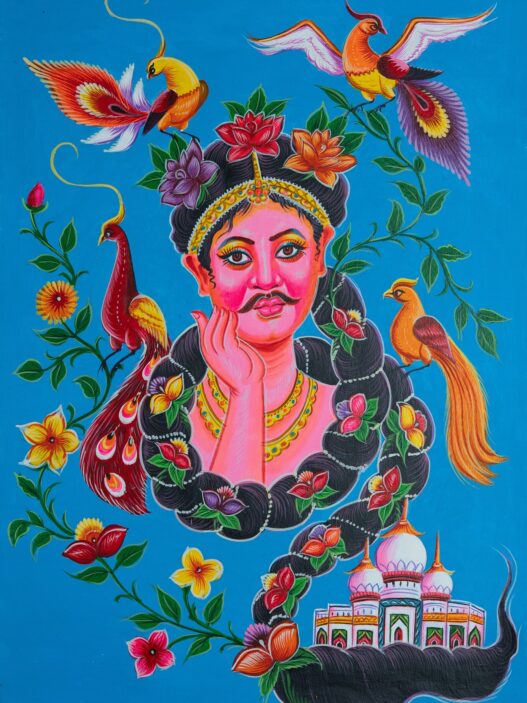
Ayman: When my family arranged my marriage, the rituals began—colors, bangles, whispers of celebration. Inside, I burned. The night before the wedding, I locked myself in my room and cut off all my hair, each strand falling like chains breaking.
ANOAQA Interviewer: How did he respond?
Ayman: He told me, “Maybe the lion inside this man was never meant to roar. Maybe it was meant to guard the tenderness of your heart.” That changed something deep in me.
ANOAQA Interviewer: Since then, how has your life changed?
Ayman: I’ve allowed myself to be gentle. I don’t apologize for speaking softly anymore. I choose kindness over cruelty. I’m still afraid of society’s gaze—Bangladesh is not forgiving—but when I look in the mirror, I see myself, not the lion my father wanted.
ANOAQA Interviewer: What does being a man mean to you now?
Ayman: When I realized the anger wasn’t me. The cruelty wasn’t me. It was a costume, stitched by my father and by society. Beneath it, I was gentle, tender, capable of love. My psychologist told me, “Ayman, you are not less of a man for being soft. You are not less of a Gay/Homo romantic for wanting love.”
That night, I stood in front of the mirror and smiled. Not the lion’s grin, but my own trembling smile. I whispered: “I am Ayman. I am soft. I am loving. And that is enough.”
ANOAQA Interviewer: Thank you for sharing this so openly.
Ayman: Thank you for listening. Maybe softness, after all, is its own kind of strength.